All Characters and Roles in Halloween: The Game
Halloween: The Game splits its cast into two sides: the lone killer, Michael Myers, and the ordinary civilians of Haddonfield who must survive the night of October 31, 1978. This page catalogs the Michael Myers role and the civilian survivor framework, covering abilities, stat spreads, traits, starting items, and the playstyles that suit each side.
Michael Myers: The Shape
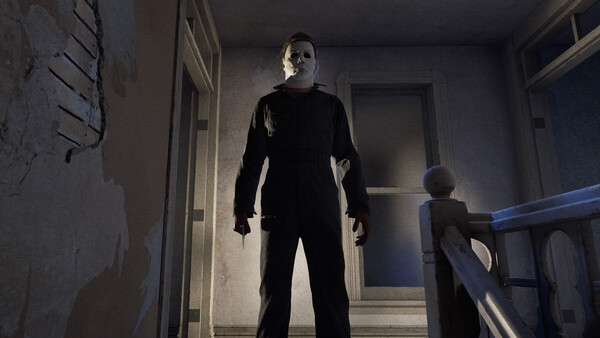
Michael Myers is the sole killer role in both the story mode and the online multiplayer mode. IllFonic built him to match the 1978 film rather than modern slasher conventions: he is a slow, patient, unstoppable presence instead of a sprinting predator. His movement speed is deliberately low, so his real strengths lie elsewhere, in stealth, in durability, and in his ability to shadow a victim for a long time before striking without warning.
In close quarters Michael is extremely lethal. Once he has committed to a target and closed the distance, breaking away from him is difficult, and the game rewards players who set up those moments rather than forcing them. The design philosophy the developers have stated repeatedly is that playing Michael is about hunting, not chasing. A good Michael player spends most of the match unseen and only reveals himself when the situation is already won.
He is not without counters. Because he cannot outrun a coordinated group, survivors who communicate and lean on the town's resources can stall him effectively. Rising police activity is a second pressure point: as the authorities respond to the chaos, Michael can no longer simply walk in a straight line toward his next victim and must adjust his route and approach.
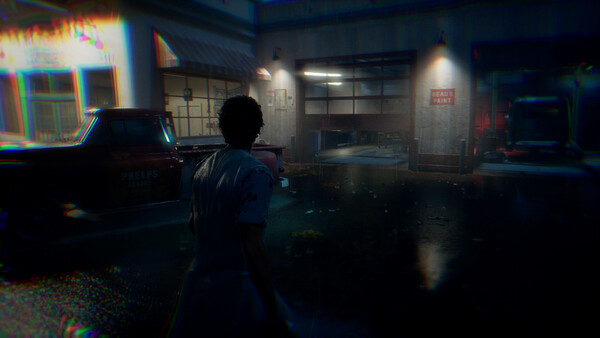
Michael's Abilities
Michael currently has four confirmed abilities: Shape Jump, Killer Sense, Stalk, and Blackout. Together they compensate for his lack of speed by giving him control over positioning, information, and the environment itself.
Shape Jump lets Michael vanish from one location and reappear somewhere else, which is his primary tool for repositioning across the map and for appearing behind survivors who thought they had put distance between themselves and him. Killer Sense is his tracking ability, used to locate survivors in the surrounding area and pick out the next target. Stalk marks a victim so they become easier to follow, reinforcing the film-accurate loop of watching a target long before the attack.
Blackout is Michael's environmental ability. It allows him to manipulate the surroundings, cutting visibility and creating the ideal window to strike. Combined with Stalk and Shape Jump, it forms a natural sequence: locate a survivor, mark them, kill the lights, and teleport into the opening.
The Civilians of Haddonfield
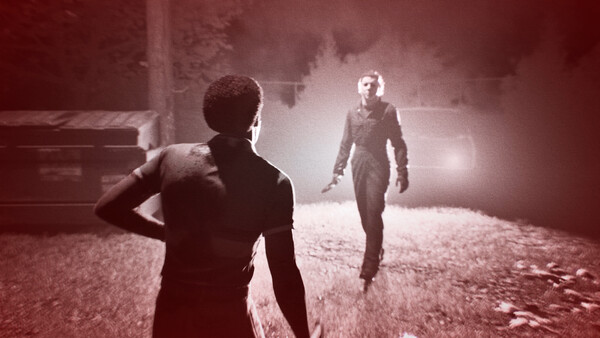
The survivor side is made up of everyday residents of Haddonfield rather than trained heroes. The roster is broad, and each civilian comes with a short background, a set of four core stats, unique traits, a perk deck, and cosmetics. Most of these characters also appear in the single-player campaign, but their differences really show in multiplayer, where stat spreads and traits shape how each one contributes to the team.
Every civilian is rated on Capability, Athleticism, Personality, and Resourcefulness. Athleticism governs how well a character handles the physical side of survival, Capability covers general competence under pressure, Personality affects how the character interacts with others, and Resourcefulness reflects how effectively they make use of the items and tools found around town. Because Michael is slow but relentless, a low Athleticism score is not a death sentence, but it does push that character toward a support role rather than a bait role.
Eric Dunn is a representative example of the civilian design. Described as the kind of guy who talks big but never delivers, he works at Nicholas Hardware, rides ATVs while hunting in the woods, and regularly strikes out at the local dive bar. His stats are Capability 6, Athleticism 3, Personality 6, and Resourcefulness 8. His signature trait, Hunter Sense, lets him see faint noise pings and highlighted points of interest as long as he is not in a terrified state, making him a strong information gatherer who should avoid being the one Michael is chasing.
Starting Items and Unlocks
Civilians can choose a starting item before a match, and the selection expands as the player levels up. The basic options include starting with nothing, a classic red-seam baseball, a health spray for quick small heals, or a repair kit used to fix a broken phone and downed power lines. A can of pop boosts stamina, while a can of beer helps keep the character calm, which matters because several traits, such as Eric Dunn's Hunter Sense, only function while the survivor is not terrified.
Higher-tier starting items are gated behind account level. A joint unlocks at level 30, the flashlight at level 35, the pocket knife at level 40, the flare gun at level 45, and the full first aid kit at level 50. The pocket knife in particular is a notable late unlock, since it gives a survivor a self-defense option from the very first second of the match rather than having to scavenge for one.
Choosing a starting item should reflect both the character's stats and the team's plan. A high-Resourcefulness civilian gets the most out of a repair kit, while a low-Athleticism character benefits from stamina and calming items that offset their weakness during an encounter.
Recommended Playstyles
Playing Michael well means resisting the urge to chase. Use Killer Sense to identify an isolated survivor, apply Stalk so they cannot easily shake you, and trigger Blackout when they are near an objective they cannot abandon. Save Shape Jump for closing the final gap or for cutting off an escape route rather than for roaming the map at random. Expect police pressure to build over the course of the match and plan for it by shifting to quieter areas rather than pushing through.
Survivors should treat Michael as a problem to be managed collectively. Because he is slow, splitting his attention with coordinated movement and constant communication is the single most effective counter. Assign roles by stat spread: athletic characters distract and reposition, resourceful characters handle repairs and objectives, and characters with information traits like Hunter Sense call out noise pings and threats for the group.
Manage fear as carefully as health. Many civilian traits switch off when the character becomes terrified, so calming items and staying near teammates preserve a survivor's effectiveness. Keep the phone lines and power repaired to maintain the town's resources and raise police activity, since that pressure is one of the few things that can force Michael to break off a hunt.